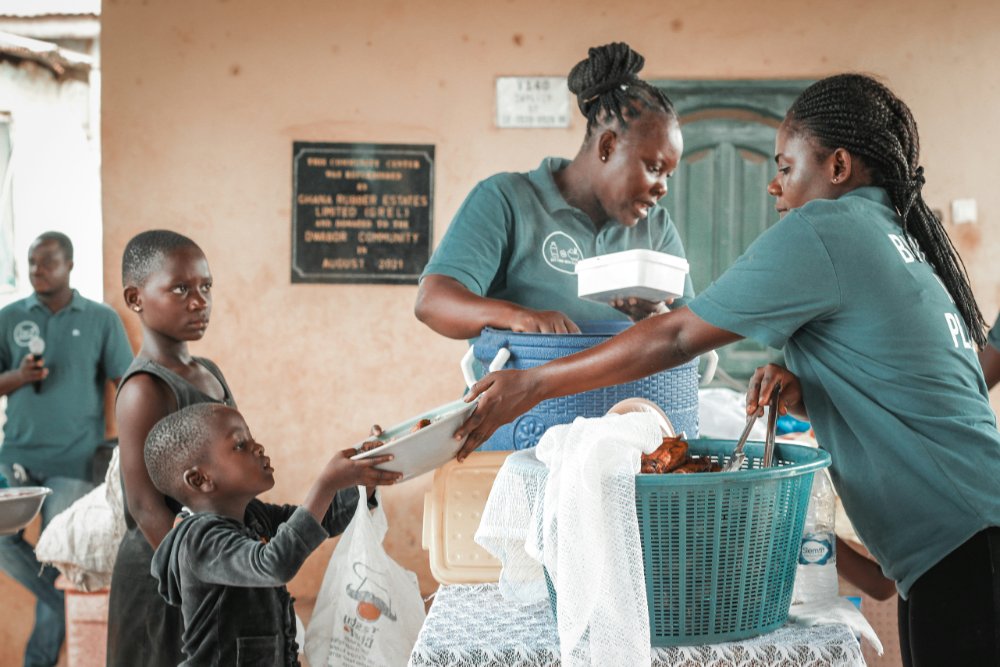
Charitable organizations help communities address important social challenges and improve people’s lives. However, successful charity work requires more than financial donations or individual effort. It depends on people who share responsibilities and work toward common goals. When volunteers, donors, nonprofit leaders, and community members cooperate, they can create meaningful improvements. Therefore, shared responsibility plays an important role in strengthening charitable missions and supporting long-term community development.
Moreover, teamwork encourages people to combine their knowledge, resources, and experiences. Each person brings valuable abilities that can improve charitable programs. Through cooperation, organizations can manage resources, reach more people, and respond to community needs. As a result, shared commitment helps charities develop reliable support systems while encouraging greater participation in meaningful social causes.
Understanding Shared Responsibility in Charity Work
Shared responsibility means that individuals work together to achieve common charitable objectives. Instead of placing every task on a small group of leaders, organizations encourage volunteers and supporters to contribute according to their abilities. Therefore, this approach creates a more balanced working environment. Participants understand their responsibilities and recognize how their contributions support the organization’s mission. Clear expectations also help teams avoid confusion and complete activities more efficiently.
Furthermore, shared responsibility strengthens the connection between individuals and charitable causes. When people participate in planning and decision-making, they develop a greater sense of ownership. Consequently, they become more motivated to support ongoing programs. This commitment helps organizations build stronger teams and maintain consistent community services. It also encourages participants to take pride in their contributions and recognize the value of collective effort.
Building Trust and Cooperation Among Volunteers
Trust creates a strong foundation for successful charitable teamwork. Volunteers must depend on one another when organizing events, distributing supplies, or supporting individuals who need assistance. Therefore, nonprofit organizations should encourage open communication and honest relationships. When participants understand their responsibilities and respect their teammates, they can work together with greater confidence. Trust also helps reduce misunderstandings and creates a more supportive environment for everyone involved.
In addition, cooperation allows volunteers to develop meaningful relationships through shared experiences. People from different backgrounds often bring unique perspectives and abilities to charitable projects. As a result, working together encourages mutual respect and understanding. These connections can extend beyond individual activities and inspire continued community involvement. Strong volunteer relationships also help organizations respond effectively when unexpected challenges arise.
Combining Individual Skills for Greater Community Impact
Every person has valuable knowledge or experience that can support charitable initiatives. Some volunteers have strong communication skills, while others specialize in education, technology, fundraising, or event planning. Therefore, organizations can improve their programs by assigning responsibilities according to individual strengths. For example, teachers may support educational activities while business professionals assist with financial planning. This approach helps teams use available skills effectively and deliver better services.
Moreover, sharing knowledge creates opportunities for personal and professional development. Volunteers can learn practical skills from experienced participants while contributing their own ideas. Consequently, organizations develop stronger teams that can manage different responsibilities. This exchange also encourages creativity and helps charities identify new approaches to community challenges. When individuals feel confident in their abilities, they become more willing to participate in meaningful projects.
Improving Resource Management Through Collective Efforts
Charitable organizations often work with limited financial resources, supplies, and volunteer availability. Therefore, responsible resource management remains essential for maintaining effective programs. When team members share responsibilities, they can coordinate budgets, organize donations, and manage activities more carefully. Clear communication helps prevent unnecessary expenses and reduces repeated efforts. As a result, organizations can direct more resources toward the people and communities they serve.
Furthermore, collective planning helps charities prepare for future needs. Volunteers and leaders can review available resources, discuss priorities, and identify areas that require additional support. Consequently, organizations can make more informed decisions and improve financial stability. Shared responsibility also encourages accountability because participants understand the importance of using donations wisely. This responsible approach strengthens trust among donors and community partners.
Encouraging Community Participation and Volunteer Engagement
Community participation helps charitable organizations expand their reach and support more individuals. When residents understand the purpose of a charitable mission, they may become more willing to contribute their time or resources. Therefore, organizations should create welcoming opportunities for people with different interests and abilities. Flexible volunteer activities can encourage students, working professionals, and older adults to participate in meaningful service.
Additionally, positive experiences can inspire volunteers to maintain their involvement. When participants feel appreciated and understand the impact of their contributions, they often develop stronger connections with charitable causes. As a result, organizations can build dependable volunteer networks that support ongoing programs. Recognizing achievements and encouraging feedback also helps maintain motivation and creates a positive environment for continued community service.
Strengthening Leadership and Organizational Accountability
Effective leadership helps charitable organizations maintain clear goals and coordinate shared responsibilities. Leaders must communicate expectations, guide volunteers, and encourage cooperation. Therefore, successful nonprofit leaders create opportunities for team members to contribute ideas and participate in important decisions. This inclusive approach helps individuals feel valued while supporting better planning. Strong leadership also ensures that everyone understands how their work contributes to broader charitable objectives.
Moreover, shared accountability encourages responsible behavior throughout an organization. Volunteers and employees recognize that their decisions influence program quality and community outcomes. Consequently, they become more attentive to completing tasks and communicating challenges. Regular progress reviews can help teams identify problems and develop practical solutions. This commitment to accountability strengthens organizational performance and builds confidence among supporters.
Developing Strong Partnerships With Local Organizations
Partnerships between charities, businesses, schools, and community groups can strengthen charitable missions. Each partner offers different resources, professional knowledge, and community connections. Therefore, organizations can improve their services by working with partners who share similar goals. Businesses may contribute financial support or supplies, while educational institutions encourage student participation. These partnerships help charitable initiatives reach wider audiences and provide more comprehensive assistance.
Furthermore, strong partnerships support long-term community development. Organizations that maintain regular communication can coordinate activities and share resources effectively. As a result, they can reduce duplicated efforts and address community challenges more efficiently. Continued cooperation also creates opportunities for new charitable programs. When partners understand their shared responsibilities, they can develop reliable relationships that support sustainable improvements.