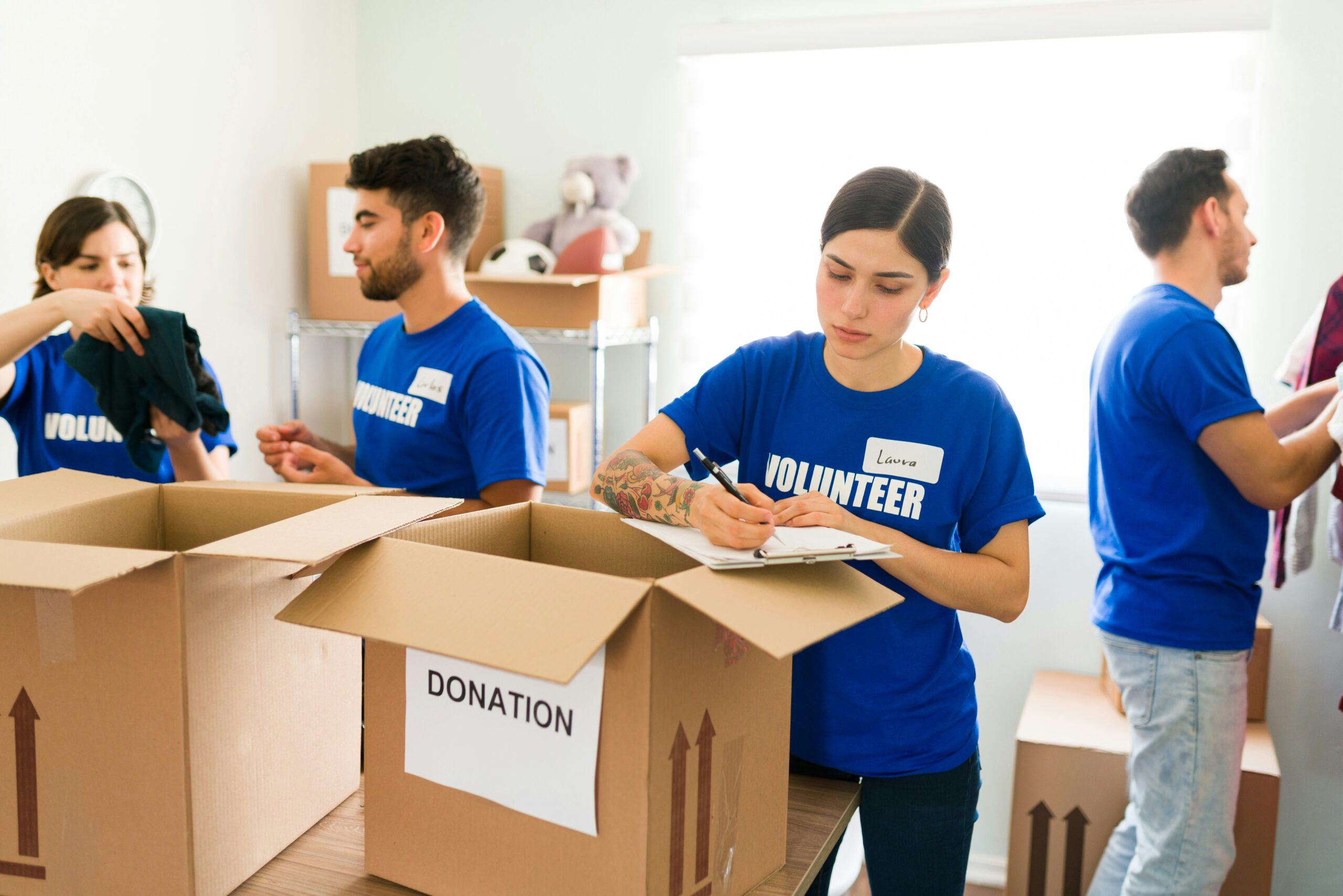
Strong communities grow when people choose to work together and use their skills to support others. Charity efforts often bring people from different backgrounds into one shared mission, creating opportunities to solve problems and improve daily life. While organizations may provide structure and resources, individual contributions often give charitable projects their energy and purpose.
Therefore, understanding how teamwork and personal impact work together can help volunteers, nonprofit organizations, and local supporters create meaningful results that continue beyond a single event or campaign.
How Shared Goals Create Stronger Community Connections
Shared goals give charitable projects a clear sense of direction. When volunteers understand what they want to achieve, they can focus their time and skills on meaningful tasks. Moreover, a common purpose helps people cooperate even when they have different experiences or ideas. Instead of working separately, participants can combine their strengths and support one another throughout the project.
Clear goals also help charitable groups communicate their needs. For example, a food drive may need people to collect donations, organize supplies, prepare packages, and distribute them to families. Each task matters, but the overall goal connects these activities. As a result, volunteers can see how their individual efforts contribute to a wider mission. This shared understanding can encourage stronger participation and create relationships that continue after the project ends.
Why Individual Contributions Matter Within Charity Efforts
Every volunteer brings different abilities, experiences, and resources to a charitable effort. One person may have strong communication skills, while another may understand logistics or event planning. Someone else may simply have time and energy to help where needed. Although these contributions may appear different, each one can support the same mission.
Personal involvement also creates a stronger emotional connection to charitable work. When people see the direct effect of their actions, they often gain a deeper understanding of the needs around them. For instance, helping prepare meals can make food insecurity feel more real than reading about it online. Similarly, mentoring a young person can show how consistent support can influence confidence and future goals.
Building Trust Through Reliable Volunteer Participation
Trust plays an important role in successful charitable projects. Communities need to know that organizations and volunteers will follow through on their commitments. Consistent participation helps create that trust over time. When volunteers arrive when expected, complete assigned tasks, and communicate clearly, others can depend on them.
Trust also grows through respectful communication. Volunteers should listen to community members rather than assume they already understand every need. Likewise, organizations can create stronger relationships by explaining goals, expectations, and available resources clearly. When people feel heard and respected, they are more likely to participate in future projects.
How Collaboration Improves Charity Project Results
Collaboration allows people to combine knowledge, skills, financial donations, and other resources. A well-organized charity project can benefit from volunteers who approach challenges from different perspectives. For example, a fundraising campaign may involve people who understand marketing, finance, design, event planning, and outreach.
Effective collaboration also makes problem-solving easier. Challenges can appear during any charitable activity, from unexpected supply shortages to changes in attendance. However, a group can often find solutions faster when members share information and ideas.
Supporting Local Causes Through Meaningful Personal Action
Local causes often depend on people who are willing to take practical action. Donations can provide valuable support, but time, knowledge, and direct involvement can also make a major difference. Volunteers may help clean public spaces, support food programs, organize educational activities, or assist families during difficult periods. Each action addresses a specific need while encouraging a stronger culture of service.
Personal action can also inspire others to participate. When people see friends, coworkers, or neighbors contributing their time, they may become more willing to help. In this way, one person’s involvement can create a wider effect. Furthermore, visible participation can show that positive change does not always require large organizations or major resources. Small actions, when repeated by many people, can create meaningful progress across local communities.
Encouraging Better Communication Among Charity Volunteers
Good communication keeps charitable projects organized and reduces confusion. Volunteers need clear information about schedules, responsibilities, safety expectations, and project goals. Without that information, even motivated participants may struggle to complete their tasks effectively.
Listening matters just as much as giving instructions. Volunteers often notice problems that leaders may not see directly. For example, someone working at a donation center may recognize a supply issue before it becomes serious. By encouraging open feedback, organizations can respond sooner and improve their processes.
Creating Lasting Benefits Beyond Individual Charity Events
A successful charitable event should do more than solve an immediate problem. Ideally, it should also strengthen relationships and encourage continued involvement. Volunteers who have positive experiences may return for future projects, while community members may become more comfortable asking for support when they need it.
At the same time, they may learn more about challenges affecting their neighborhoods. As their understanding grows, they can make more informed decisions about how to help. Consequently, charity work can become a continuing part of civic participation rather than a one-time activity.
Strengthening Communities Through Shared Responsibility
Community progress depends on shared responsibility. No single volunteer or organization can address every social challenge alone. Instead, lasting progress often requires residents, nonprofits, businesses, schools, and local groups to contribute in practical ways.
Groups provide coordination and shared direction, while individuals bring energy, skills, creative ideas, and commitment. When people recognize both roles, charitable efforts can become more organized and meaningful. Most importantly, community charity can help people build stronger relationships while addressing real needs.