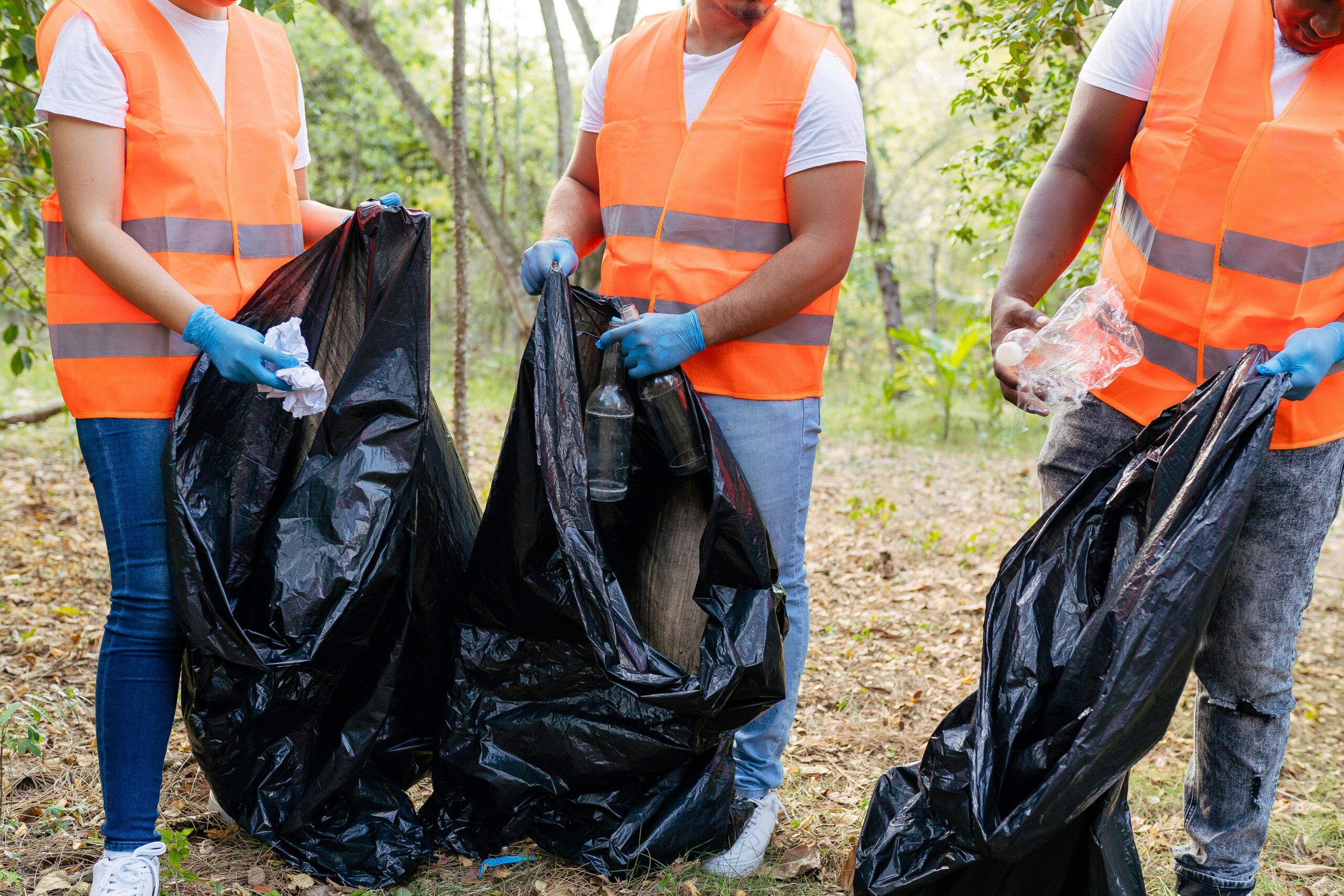
Strong communities often grow from shared effort and compassionate action. When people unite for a cause, they create powerful change that reaches far beyond a single act of kindness. Teamwork and personal impact in charity work highlight how collective effort and individual dedication can transform lives. Volunteers, donors, and organizers each play a unique role, and together they build a network of support that strengthens communities and spreads hope.
Moreover, charity work does more than provide resources or services. It inspires connection, empathy, and responsibility among participants. When people collaborate to support others, they learn that even small actions can lead to lasting change. As a result, teamwork becomes the foundation for meaningful progress, while individual contributions shape its direction.
Why Teamwork Matters in Charity Initiatives
Teamwork allows charity organizations to operate more effectively and reach more people in need. When volunteers collaborate, they share skills, ideas, and energy that help projects succeed. For example, one person may organize logistics while another manages outreach or fundraising. Because of this cooperation, the group achieves far more than any individual could accomplish alone.
Furthermore, teamwork builds trust and motivation among volunteers. When people feel supported by others who share the same mission, they work with greater enthusiasm and commitment. In addition, collaboration encourages the development of creative solutions to challenges. By working together, volunteers find better ways to serve communities, distribute resources, and organize impactful charity programs.
The Personal Impact of Volunteering
While teamwork drives large-scale results, personal contributions remain just as important. Every volunteer brings unique experiences, perspectives, and talents that enrich charity efforts. Through teamwork and personal impact in charity work, individuals learn that their actions directly influence others’ lives.
Additionally, volunteering often creates personal growth. People develop leadership skills, empathy, and a deeper understanding of social challenges. As volunteers witness the positive outcomes of their work, they gain confidence and purpose. Therefore, personal involvement in charity work not only benefits communities but also shapes the character and outlook of those who give their time and effort.
How Collaboration Strengthens Community Support
Community support becomes stronger when organizations encourage teamwork among volunteers, donors, and local leaders. Collaborative charity programs connect people who may not normally work together. As they coordinate their efforts, they build networks that extend across neighborhoods and organizations.
Consequently, these connections create long-term support systems. When individuals feel part of a community effort, they continue to contribute their time and resources. Moreover, teamwork ensures that assistance reaches people more efficiently. Volunteers communicate with one another, share updates, and adjust strategies to address changing community needs.
Leadership and Shared Responsibility in Charity Work
Effective charity initiatives require strong leadership, but they also depend on shared responsibility. Leaders guide projects, set goals, and motivate volunteers. However, successful leaders also encourage teamwork by inviting ideas and participation from everyone involved.
As a result, volunteers feel valued and empowered to take initiative. When each person accepts responsibility for part of the mission, the organization operates smoothly and efficiently. In addition, shared leadership allows charity groups to adapt quickly to new challenges, ensuring that they continue to serve communities effectively.
Real-Life Examples of Teamwork Creating Change
Across the world, charity organizations demonstrate the power of collective action. Community food drives, disaster relief programs, and educational initiatives all rely on teamwork. Volunteers coordinate supplies, distribute aid, and provide emotional support to those in need.
Similarly, local community projects often show how small groups can create meaningful impact. For instance, neighborhood volunteers may organize fundraising events to support schools or healthcare programs. Through teamwork and personal impact in charity work, these efforts grow into larger movements that benefit entire communities.
Encouraging More People to Participate in Charity Work
Charity organizations thrive when they inspire more individuals to join their efforts. Many people want to help but feel unsure about how to start. By highlighting the importance of teamwork, organizations can show potential volunteers that they do not have to work alone.
Furthermore, creating welcoming volunteer environments encourages participation. When new volunteers receive guidance and support, they quickly become active contributors. As more people experience the positive effects of teamwork and community service, they often encourage friends and family to join as well. Consequently, charity initiatives grow stronger and reach more people.
The Long-Term Value of Charity Collaboration
The benefits of charity teamwork extend far beyond immediate assistance. Over time, collaborative projects help communities build resilience and independence. Volunteers learn from one another and develop systems that continue to serve people long after a single event or campaign.
Teamwork and personal impact in charity work inspire a culture of generosity and cooperation. Communities that work together to solve problems often continue supporting one another in everyday life. This shared commitment strengthens relationships and encourages future generations to participate in charitable efforts.
Charity work demonstrates how cooperation and compassion can transform communities. When people unite around a shared mission, they create opportunities for positive change that no individual could achieve alone. Through teamwork and personal impact in charity work, volunteers combine their talents and dedication to support those who need help the most.
Both teamwork and personal commitment shape the success of charitable initiatives. While collective effort expands the reach of community programs, each volunteer’s contribution adds meaning and purpose to the mission. As more people recognize the power of working together, charity work will continue to inspire hope, strengthen communities, and create lasting impact.