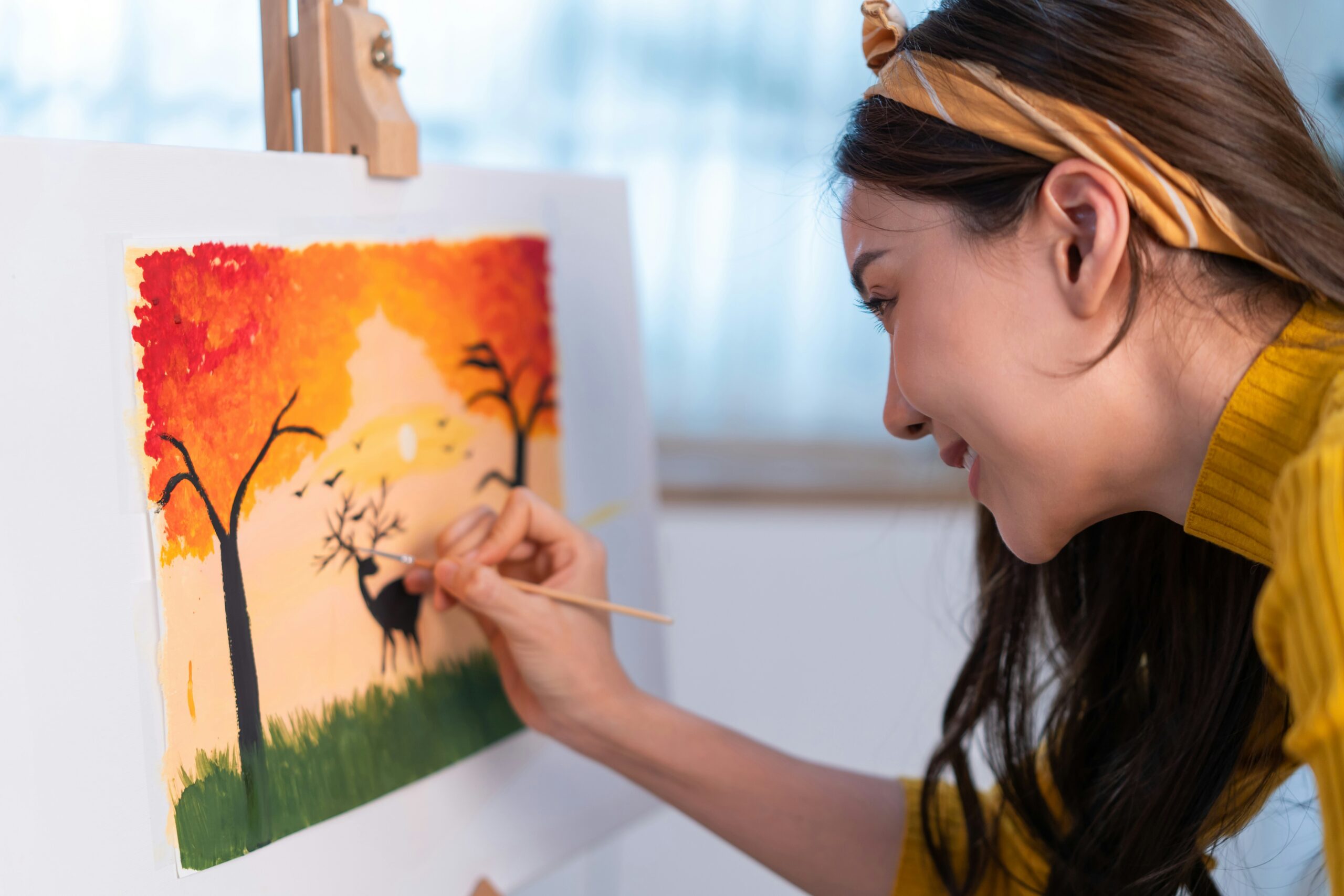
Creative activities offer a gentle way to express feelings that may be difficult to put into words. Because emotions often sit beneath the surface, artistic practices such as drawing, writing, or crafting offer a channel for release. As a result, stress levels drop, and the mind feels lighter. When people learn to engage with these practices regularly, they begin to understand their inner world with more clarity and comfort.
Although emotional expression can feel overwhelming at times, creative activities create structure and rhythm, making the process more approachable. Since these practices encourage consistent engagement, they help individuals naturally build emotional awareness. Even small projects can shift a person’s mood and open space for healthier thought patterns. This steady practice strengthens the ability to communicate feelings honestly and confidently.
How Creative Activities Strengthen Cognitive Health
Creative activities stimulate different parts of the brain by blending imagination with problem-solving. Because the mind remains active through color choices, rhythm, storytelling, or design, people sharpen their concentration and memory as they work. These mental exercises foster a sense of progress, boosting motivation and self-trust. As the brain becomes more flexible, creative activities help individuals break out of rigid thinking and welcome new ideas.
Since cognitive strength supports emotional balance, the benefits extend beyond the activity itself. People who embrace creative routines often notice improved focus in work, school, and personal life. Even simple tasks like doodling or writing a short poem can refresh the mind. This effect allows people to return to their daily responsibilities with more energy and a stronger sense of direction.
Stress Relief Through Everyday Creative Activities
Creative activities offer a calming escape from pressure by allowing the mind to slow down. Because the focus shifts to the present moment, stress naturally eases and breathing steadies. Activities like painting, knitting, or journaling draw attention away from constant digital noise and invite peaceful thoughts as people stay engaged in the rhythm of their craft, tension drops, and relaxation increases.
Although stress is part of life, creative activities offer practical ways to manage it. When someone incorporates these soothing practices into a weekly routine, maintaining emotional balance becomes easier. The gentle repetition of strokes, stitches, or words activates a sense of harmony that carries through the day. As a result, resilience grows and stressful moments become more manageable.
Building Self-Esteem and Personal Identity
Creative activities help people uncover strengths they may not have noticed before. Each new project offers an opportunity to explore talents, which in turn builds greater confidence. When a person completes a drawing, writes a story, or shapes a piece of clay, the achievement feels meaningful because it reflects personal growth. These small successes accumulate, and they reinforce a stronger sense of self.
Since identity forms through exploration, creative activities can serve as a helpful guide. They encourage people to ask questions, try new approaches, and celebrate individuality. These experiences remind individuals that their voice matters. As creative skills develop, people begin to understand themselves more deeply and form healthier relationships with their emotions.
Social Connection Through Creative Spaces
Creative activities often bring people together in community spaces, classes, or online groups. Because creativity encourages sharing, individuals feel supported as they reveal their ideas and experiences. These interactions reduce feelings of isolation and help people develop meaningful friendships. When people create together, trust builds naturally, and a sense of belonging begins to grow.
Although personal expression can be vulnerable, creative communities foster safety and acceptance. Participants learn to appreciate diverse perspectives and new styles, which expands empathy. As friendships form, emotional support becomes easier to access. This connection strengthens mental health by reminding individuals that they are part of a larger, understanding network.
Creative Activities as a Path to Mindfulness
Creative activities guide the mind toward mindfulness by encouraging slow, intentional movement. When people focus on blending colors, shaping material, or forming sentences, attention settles into the present moment. This shift quiets racing thoughts and reduces internal tension. As individuals return to their breath and senses, their minds feel lighter and more grounded.
Since mindfulness improves emotional regulation, creative practices become powerful tools for long-term well-being. These activities teach people to observe emotions without judgment while finding comfort in steady, meaningful action. Over time, this mindful awareness supports mental clarity, emotional stability, and an overall sense of inner peace.
Healing Trauma Through Safe Creative Expression
Creative activities provide a gentle pathway for people who are healing from trauma. Because traumatic experiences can feel difficult to verbalize, art becomes a safe bridge between emotion and expression. Through imagery, movement, or storytelling, individuals release stored pain in a controlled and nurturing environment. This gradual process reduces emotional pressure and opens the door to healing.
Although recovery takes time, creative practices allow people to move at a pace that feels right for them. As they create, they regain a sense of control and autonomy. The ability to reshape material mirrors the ability to reshape personal narratives, which helps people reclaim strength. Over time, these uplifting moments build resilience and renew hope.
Integrating Creative Activities Into Daily Life
Creative activities fit easily into everyday routines. Even brief moments of drawing, writing, or crafting can spark emotional relief. Because these practices do not require professional skill, anyone can participate and benefit. When people schedule small creative breaks during the day, they give themselves space to reset and breathe. These habits become powerful anchors for mental wellness.
Although many believe creativity requires talent, the truth is that the process matters far more than the outcome. People who allow themselves to explore without pressure discover joy in the simple act of creating. As creative activities become part of daily life, emotional balance improves, and the mind feels more open and resilient.